Japanese anime
Japanimation/Japanime and Manga

Japanese basic art history. Ukiyo-e Woodblock printing
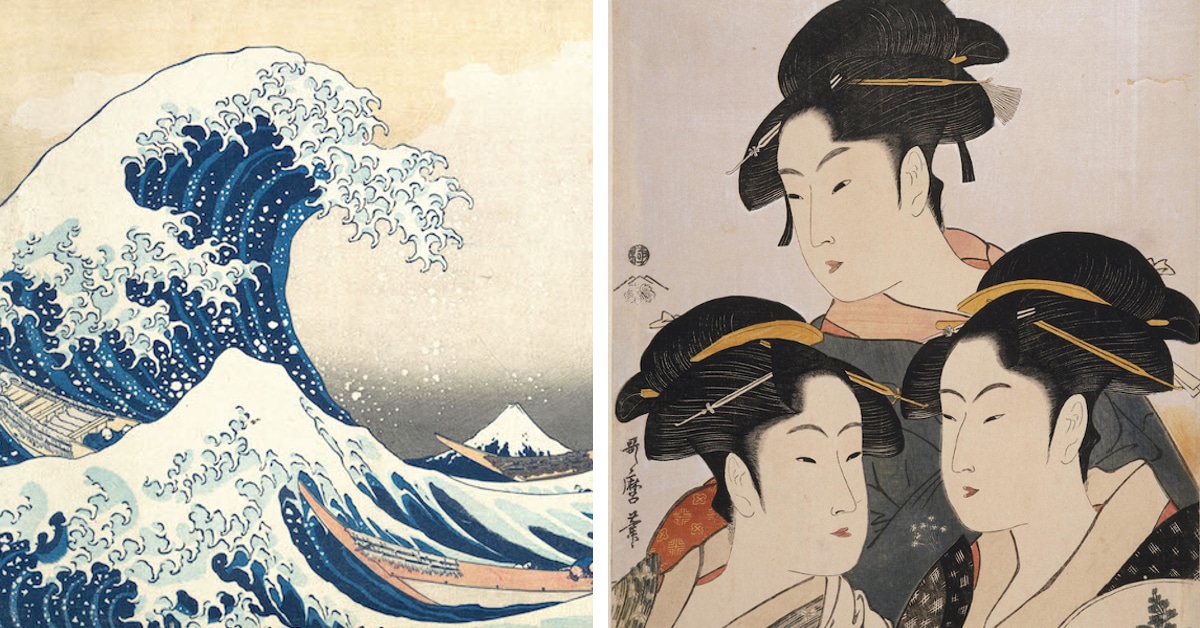
The technique was introduced during China's Han Dynasty (206 BCE to 220 CE). Produced from the 17th to 19th centuries.
It was meant to reproduce traditional hand-scrolls as affordable books but was soon adapted and adopted as a way of mass producing prints for sale. Ukiyo-e is a type of printmaking meaning 'floating world'.
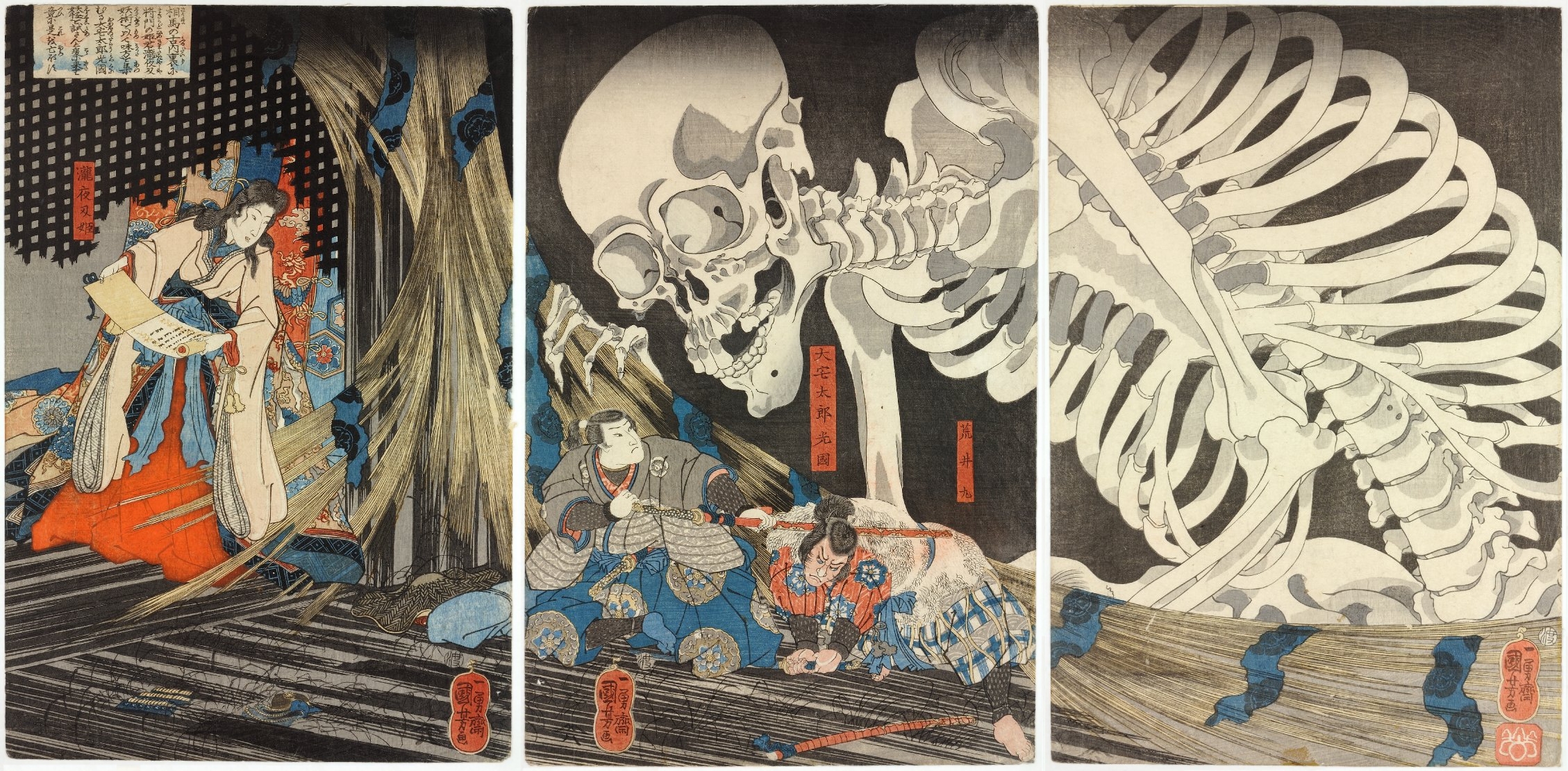
The style characteristics include a rich colour palette, and flat compositions which favour strong shapes, graphic designs, and bold lines which give the prints an illustrative quality. The popular subjects included women, interiors and nature.
Examples;
Triptych of Takiyasha the Witch and the Skeleton Spectre, c. 1844 by Utagawa Kuniyohi (1797-1861)
Katsushika Hokusai "Under the Wave off Kanagawa (Kanagawa oki nami ura)" also known as 'the Great Wave' from the series Thirty-six Views of Mount Fuji (Fugaku sanjurikkei), ca. 1830-32
Manga

The iconic style of Japanese comic books and graphic novels, typically aimed at adults as well as children. The art style is very specific but the story content can cover everything from history, war, collage life, fantasy and magic, sports, horror, epic, and to the everyday lives of housewives.
The different types of readers can be
- Shojo teen girls
- Shonen teen boys
- Seinen male college/older audience
- Josei female college/older audience
- And other term about the type of content within the manga
Manga in Japan first apperared in the 12th/13th century in a series of drawings of frogs and rabbits ontitled Choju-giga (Scrolls of Frolicking Animals) produced by several artist.
The term manga was first used in 1798 to describe a picture book called Shiji no Yukikai (Four Seasons) by Santo Kyoden.

The word manga appered again in 1814 as the title of Aikawa Mina's Manga hyakujo and celebrated Hokusai Manga book of drawings by the famous ukiyo-e artist Hokusai.
Outside of Japan, the term only describe comics while anime overs artoons and animated comics. Manga also features the genre hentai, or hardcore sexual content, which critics say is a continuation of Japanese tradition of erotic art.
Today's manga was influenced by the US occupation of Japan post-WWII from 1945-52. Gis brought their own cartoons and comic books over which left an impression. Osamu Tezuka created Astro Boy and is credited with inventing the distinctive large eyes for which anime and manga are known for.

Now, manga is a major part of Japanese cultural identity for 60 years. Accounts for 25% of all printed materials and a significant share of Japan's publishing industry. Manga is Japan;s most popular cultural import with fans worldwide. Since the late 1980s, manga has been a worldwide influence on art, comics, and animation.
Anime
An adaptation of animation blending Japanese pictorial tradition of silk painting and woodblock prints with American-style character design and genre stories. Now this accounts for 60% of Japanese film production

Like manga, anime has a distinctive style and countless genre from Disney-like childhood adventures to violent, graphic pornography. Anime also delights in mixing genres like in Cowboy Bebop with a blend of westerns, samurai dramas, "Blade Runner" retro-futurism, and American sitcom feel-good character interaction.
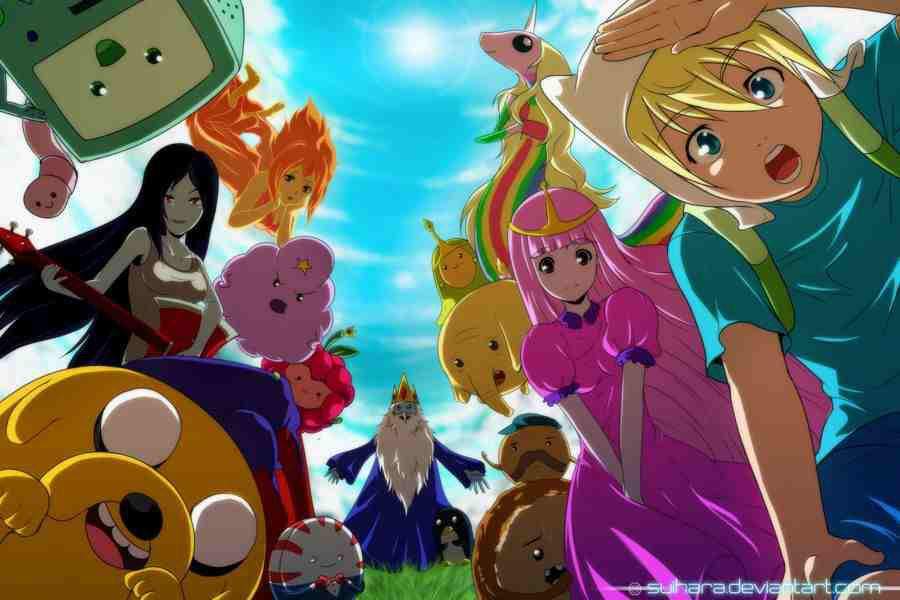
With designs, there are some minor variations from artist to artist but characters are usually statuesque with heart-shaped faces with large round eyes and multi-coloured hair. This style historically goes back to Osamu Tazuka's admiration for Walt Disney (Astro Boy manga) and 1920s-30s graphic design. Astro Boy became a TV series in 1963 and a worldwide success. Others copied the style, including the lower frame per second animation movements.

Traditional Japanese art showed dramatic movements in line drawings in ways that were visually dynamic. Japanese animators continue this by capturing single expressive gestures or evoking moods though colour.

Batman Ninja
Directed by Junpei Mizusaki and prodused by Warner Bros. Character design by Takashi Okazaki (creator of Afro Samurai). The production team introducing each character with a homage to an anime trope or Japanese stock character. The art style includes traditional comic-book, manga, and Ukiyo-e drawings, including the Great Wave Off Kanagawa.

It was amazingly created, it looked fantastic yet beautiful. I loved how they used 3D in a very unique style to almost 2D and graphic novel like. I loved how the Joker was created. Amazing.
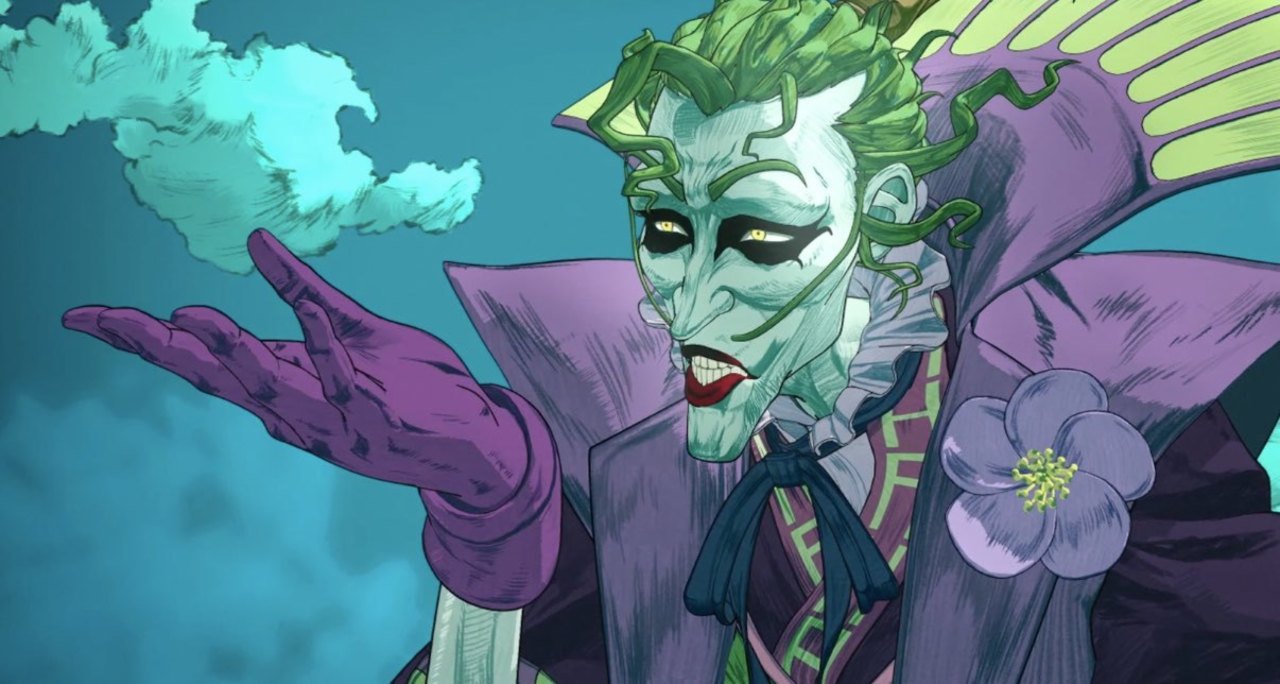
The story was really well used at the started, but I (found it funny) the repeated, anime transformations/ build ups, went overboard. It was funny though. Well done too.

The use of colour was insane, but really well done. I will look at this style/movie when thinking of colour palettes and setting moods

But it was amazing, even with the different animation styles they used. I just love it. I did watch the Japanese with English subtitles. Amazing. So many different styles
But it was amazing, even with the different animation styles they used. I just love it. I did watch the Japanese with English subtitles. Amazing. So many different styles
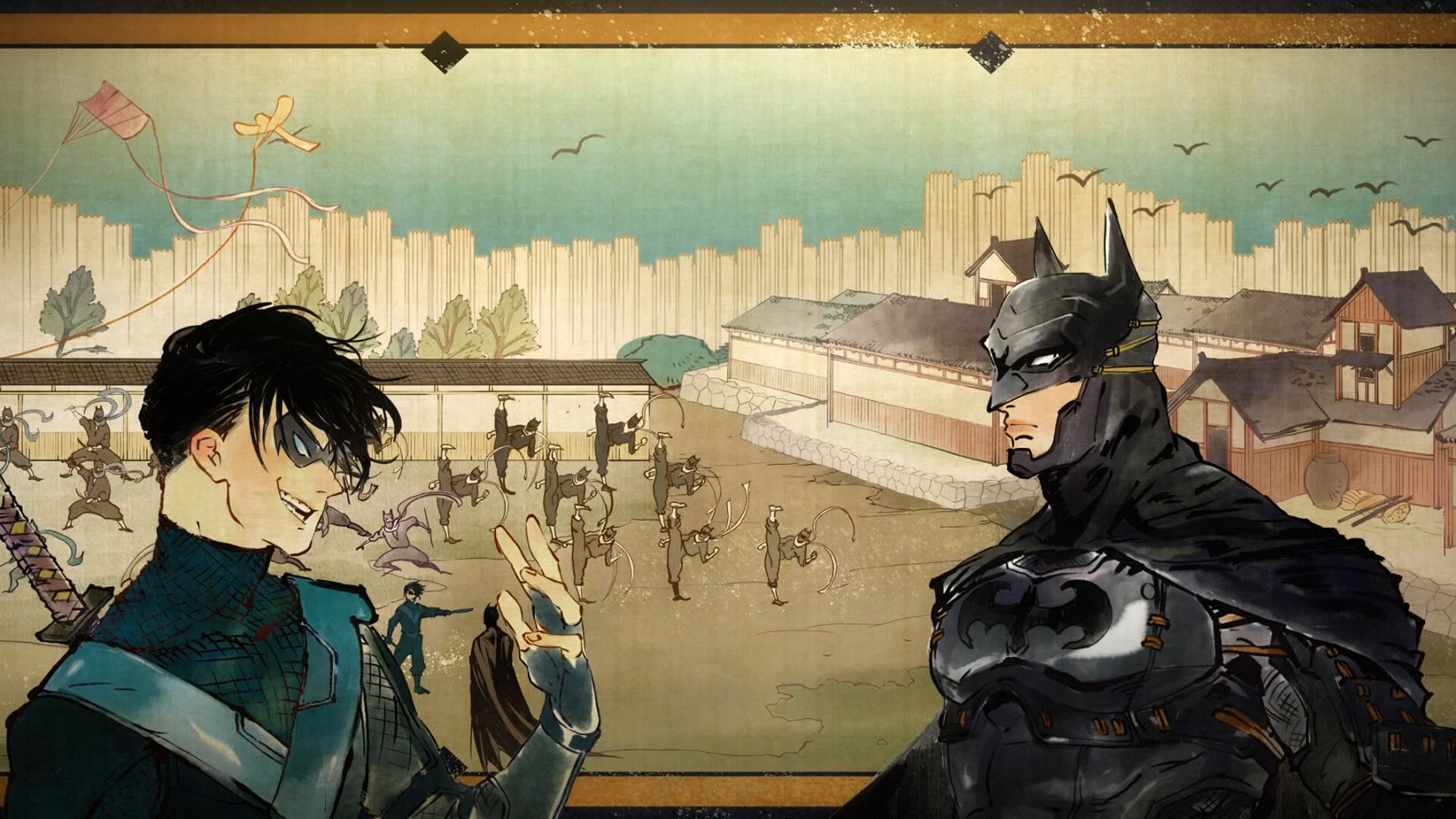

I recommend it for both the art and the starting story line (also the castle transformations are amazing)

Very good review!
ReplyDelete